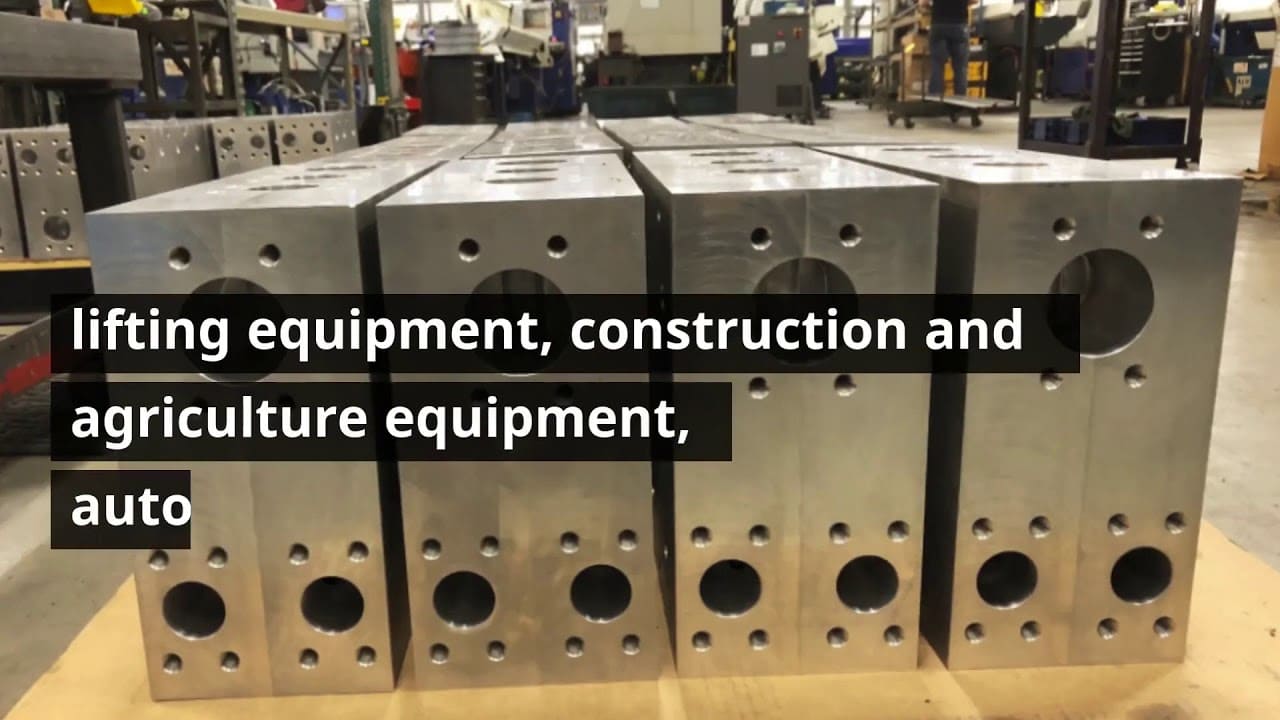

In modern hydraulic systems, the reliability of each hydraulic component defines how well hydraulic equipment performs across automotive platforms, construction equipment, and advanced manufacturing cells. Shops focused on machining and swiss machining push tight tolerances when producing machined steel, stainless steel, aluminum, brass, and bronze parts used in demanding hydraulics assemblies. Engineers often specify nylon, ptfe, acetal, and pvc for seals, wear guides, and insulating features inside precision hydraulic systems where material compatibility prevents failures and reduces downtime. Maintaining iso 9001 process control ensures that every machined surface meets print-defined tolerances, while rigorous quality assurance and automated deburring remove burrs that could compromise hydraulic flow paths. Across automotive power modules and construction equipment cylinders, consistent machining strategies for steel, stainless steel, aluminum, brass, and engineered plastics like nylon, acetal, ptfe, and pvc help manufacturers limit downtime and extend hydraulic equipment life. Shops specializing in swiss machining deliver ultra-tight tolerances for hydraulics fittings, valves, and spools, often blending bronze and stainless steel inserts with complex geometries only achievable through precision manufacturing workflows. Quality-driven teams rely on iso 9001 controls, documented quality assurance, and in-process deburring to keep machined components contamination-free. Even when the phone rings nonstop with urgent hydraulic part requests, the goal remains the same: repeatable machining, minimal downtime, and flawless performance inside critical hydraulic systems.
June 4, 2025